
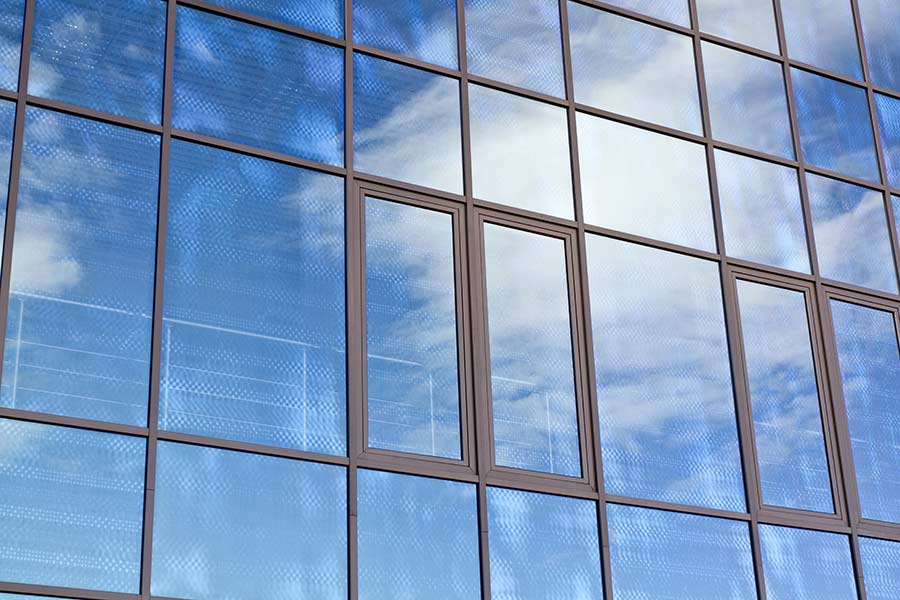
Structural glazing is a modern architectural technique that involves the use of glass panels as a primary structural element in building facades. It is an innovative way to create large, frameless glass surfaces on a building’s exterior, creating a seamless and clean aesthetic look. Structural glazing is often used in modern architecture to achieve a sleek, contemporary design that is both striking and functional.
Structural glazing differs from traditional window systems that rely on frames to hold the glass in place. Instead, structural glazing relies on specialized adhesives and sealants to bond the glass panels directly to the building’s structure. This creates a more streamlined and minimalistic look that maximizes natural light and energy efficiency.
Benefits of Structural Glazing
Enhanced Energy Efficiency – Structural glazing can help to improve a building’s energy efficiency by reducing heat transfer through the windows. Advanced glazing materials, such as double- or triple-glazed glass, can help to minimize energy loss and lower heating and cooling costs.
Improved Natural Light Penetration – Structural glazing systems typically feature large glass panels that allow more natural light to enter the building. This can help create a more open and inviting space, while also reducing the need for artificial lighting.
Increased Aesthetic Appeal – The use of glass as a primary structural element can give buildings a sleek, modern appearance that is highly sought after in contemporary architecture. Structural glazing can also offer a range of design options, such as curved or angled glass panels, that can help create unique and eye-catching structures.
Durability and Safety – Structural glazing systems are designed to withstand extreme weather conditions and other environmental factors. They also meet stringent safety standards, including impact resistance and fire resistance.
Challenges of Structural Glazing
While structural glazing has many benefits, there are also some challenges associated with this innovative building technique.
Complexity – Structural glazing is a complex and specialized building technique that requires careful planning and execution. It is important to work with experienced architects, engineers, and contractors who have the expertise and knowledge to design and install a safe and effective structural glazing system.
Cost – Structural glazing can be more expensive than traditional window systems due to the specialized materials and installation techniques required.
Maintenance – Structural glazing requires regular maintenance to keep it looking and functioning at its best. Glass panels must be kept clean and free from damage, and sealants must be regularly inspected and replaced as needed.
Safety – Structural glazing presents unique safety challenges, particularly in the event of an earthquake or other natural disaster. Proper planning and design are essential to ensure the safety of occupants and bystanders.
In summary, structural glazing is a cutting-edge building technique that offers numerous benefits for modern construction. From enhanced energy efficiency to improved aesthetic appeal, structural glazing can help create buildings that are both functional and visually striking. However, it is important to carefully consider the challenges associated with this innovative building technique before deciding whether it is the right choice for a particular project. With proper planning and execution, however, structural glazing can be a powerful tool for creating truly unique and beautiful modern architecture.
